
Exploring Medieval Recipes: A Culinary Journey

Updated: Jun 13
The culinary world is rich with history, and few periods are as fascinating as medieval times. The food of this time reflects the social structures, geography, and food availability of the era. From porridge to the spice trade, medieval recipes offer a glimpse into the daily lives of our ancestors, long ago.
The Historical Context of Medieval Cuisine
Understanding medieval recipes requires a look at the historical context. The Middle Ages, spanning from the 5th to the late 15th century, saw significant changes in food production and consumption.
The Influence of Geography and Climate
The geography and climate of Europe played a crucial role in shaping medieval diets. Regions with fertile land produced grains, vegetables, and fruits, while coastal areas relied on fish and seafood. The availability of spices, often imported from the East, added flavor and variety to dishes, though they were typically reserved for the wealthy.
Social Classes and Food
Food in medieval times was heavily influenced by social class. The nobility enjoyed lavish feasts with multiple courses, while peasants relied on simple, hearty meals. This disparity is reflected in the recipes of the time, with the wealthy indulging in rich meats and elaborate desserts, while the lower classes made do with grains, legumes, and seasonal vegetables.
Key Ingredients in Medieval Cooking
Medieval recipes often featured a limited range of ingredients, but the creativity of cooks transformed these staples into delicious meals. Here are some key ingredients commonly used in medieval cooking:
Grains
Barley: A staple grain used for bread and porridge.
Rye: Often used for bread, especially in northern Europe.
Wheat: The preferred grain for the upper classes, used in fine breads and pastries.
Proteins
Meat: Common meats included pork, beef, and poultry. Game such as venison was also popular among the nobility.
Fish: A vital source of protein, especially during Lent when meat was forbidden.
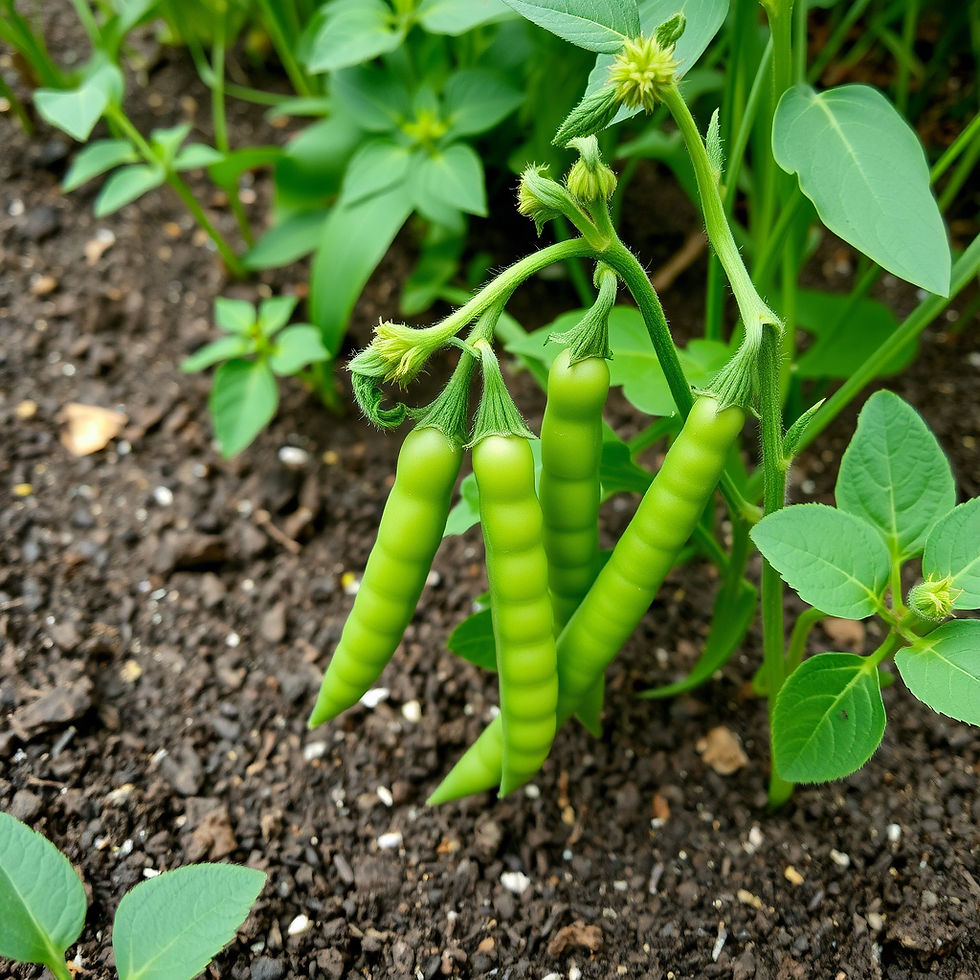
Legumes: Peas and beans were essential for the lower classes, providing necessary nutrients.
Vegetables and Fruits
Root Vegetables: Carrots, turnips, and onions were commonly used in stews and soups.
Fruits: Apples, pears, and berries were enjoyed fresh or preserved.
Spices and Herbs
Spices like pepper, cinnamon, and cloves were prized possessions, often used to enhance the flavor of dishes. Herbs such as thyme, rosemary, and parsley were commonly grown in gardens and used in everyday cooking.
Popular Medieval Recipes
Now that we have a foundation of the historical context and key ingredients, let’s dive into some popular medieval recipes that you can try at home.
Pottage
Pottage was a staple dish in medieval households, varying in ingredients based on availability and social class.
Ingredients:
1 cup barley or oats
4 cups water or broth
Seasonal vegetables (carrots, onions, leeks)
Salt and herbs to taste
Instructions:
In a large pot, bring water or broth to a boil.
Add the barley or oats and cook until tender.
Stir in chopped vegetables and simmer until soft.
Season with salt and herbs before serving.
Meat Pie
Meat pies were a favorite among the nobility, often filled with rich meats and spices.
Ingredients:
2 cups diced meat (beef, pork, or game)
1 onion, chopped
1 teaspoon pepper
1 teaspoon salt
1 teaspoon mixed herbs
Pastry for the crust
Instructions:
Preheat the oven to 375°F (190°C).
In a skillet, cook the meat and onion until browned.
Add spices and herbs, mixing well.
Roll out the pastry and line a pie dish. Fill with the meat mixture and cover with another layer of pastry.
Bake for 30-40 minutes until golden brown.
Honey Cakes
Sweet treats were often reserved for special occasions, and honey cakes were a popular choice.
Ingredients:
1 cup honey
2 cups flour
1 teaspoon baking powder
1 teaspoon cinnamon
2 eggs
Instructions:
Preheat the oven to 350°F (175°C).
In a bowl, mix honey, eggs, and cinnamon.
Gradually add flour and baking powder, stirring until combined.
Pour the batter into a greased baking dish and bake for 25-30 minutes.
The Role of Feasts in Medieval Society
Feasts were an essential part of medieval life, serving not only as a means of sustenance but also as a way to strengthen social bonds. Feasts were opportunities for the wealthy to showcase their wealth, while the lower classes would wait outside for whatever was leftover including the crumbs.
Celebrations and Rituals
Feasts often accompanied celebrations such as weddings, harvest festivals, and religious holidays. They provided an opportunity for communities to come together, share food, and enjoy entertainment.
The Art of Presentation
The presentation of food was just as important as the taste. Dishes were often elaborately decorated, and the arrangement of the table was a reflection of the host's wealth and status.
Cooking Techniques of the Middle Ages
Cooking methods in medieval times were quite different from modern techniques. Here are some common methods used:
Boiling and Stewing
Most meals were prepared by boiling or stewing, allowing flavors to meld together. This method was particularly useful for tougher cuts of meat.
Roasting
Roasting was a favored technique for meats, often done over an open fire. This method produced flavorful, tender dishes that were the highlight of feasts.
Baking
Baking was primarily done in communal ovens, where bread and pastries were cooked. The use of clay ovens was common, and the heat retention allowed for even cooking.
The Legacy of Medieval Cuisine
The influence of medieval recipes can still be seen in modern cooking. Many traditional dishes have evolved but retain their roots in medieval practices.
Reviving Medieval Recipes Today
Today, there is a growing interest in historical cooking, with many chefs and home cooks experimenting with medieval recipes. This revival not only preserves culinary heritage but also offers a unique dining experience.
Conclusion
Exploring medieval recipes is not just about cooking; it’s about connecting with history and understanding the lives of those who came before us. By trying your hand at these dishes, you can experience a taste of the past and appreciate the rich culinary traditions that have shaped our modern diets. So gather your ingredients, invite friends over, and embark on your own culinary journey through the Middle Ages.
© 2026 Crown & Cabbage Provisions. All Rights Reserved.

Comments