
Medieval Food and the Foods They Never Knew

Updated: Jun 13

Around 1300 CE
When we imagine Portuguese food, many dishes immediately come to mind: tomato-rich stews, potatoes beside roasted meats, peppers seasoning soups, and sweet pastries flavored with chocolate or vanilla. Yet if you traveled back to Portugal around the year 1300, much of what fills modern kitchens simply did not exist there.
Medieval Portugal’s cuisine was shaped by farming, religion, trade, and survival. Meals were simpler, seasonal, and deeply connected to the land and sea.
What Medieval Portuguese People Ate Around 1300
Portugal in the 14th century was a kingdom of farmers, fishermen, nobles, and monks. Diet varied by wealth, but certain foods formed the backbone of daily life.
Bread: The Foundation of Every Meal
Bread was king.
Most Portuguese people relied on bread as their primary food source. Wheat bread was prized and often reserved for wealthier households, while common people frequently ate bread made from rye, barley, or mixed grains. In Portuguese known as Pão.
Bread was not just a side dish — it was a utensil, a plate, and a meal in itself.
Fish and Seafood
With Portugal’s long coastline, fish was central to the medieval diet.
People commonly ate:
Sardines
Eels
Hake
Shellfish
River fish
Religious fasting rules also encouraged fish consumption. The Catholic calendar required many meatless days throughout the year, making fish essential for both rich and poor.
Salt preservation was already important, though the famous global cod trade that later defined Portuguese cuisine had not yet fully developed.
Meat — But Not Every Day
Modern diets often place meat at the center of the plate, but in 1300 Portugal, meat could be expensive.
Common meats included:
Pork
Goat
Lamb
Chicken
Rabbit
Nobles might enjoy venison or wild game from hunts.
Pork was especially valued because nearly every part of the animal could be used — meat, fat, blood, and preserved sausages.
Vegetables, Beans, and Herbs
Medieval Portuguese kitchens depended heavily on what could be grown locally.
Common foods included:
Cabbage
Onions
Garlic
Leeks
Turnips
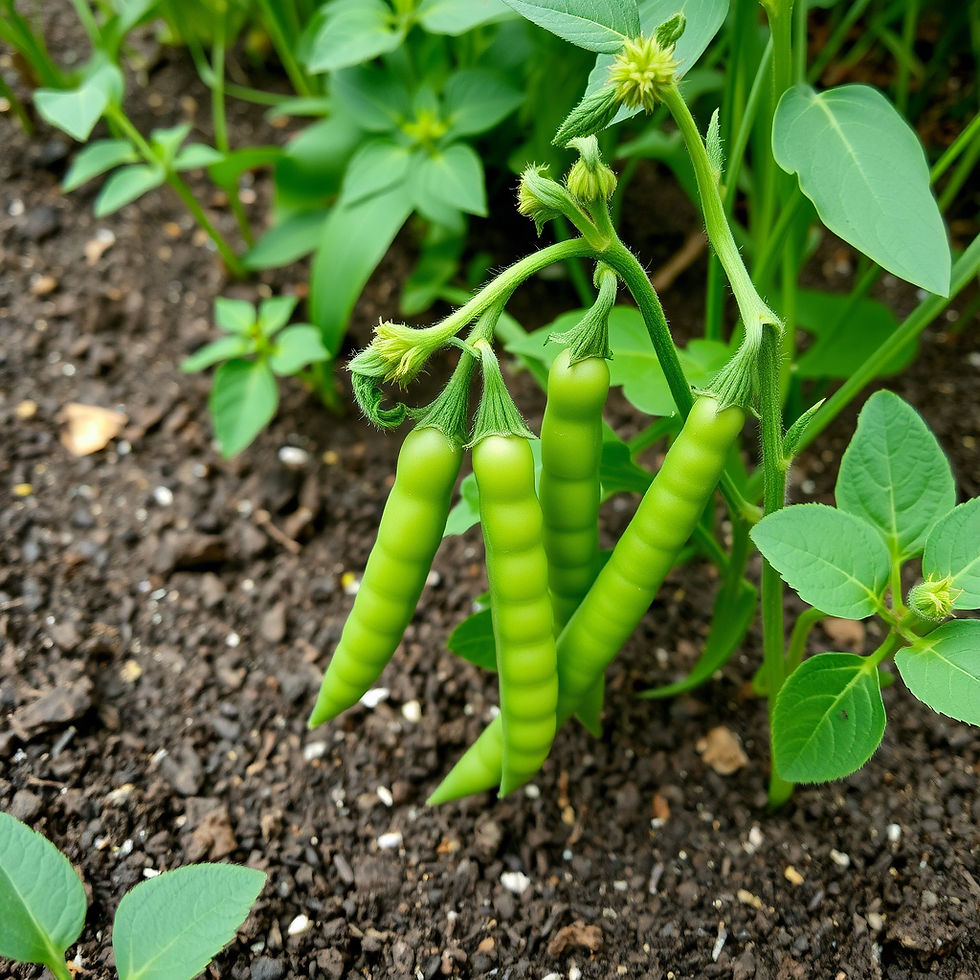
Broad beans (fava beans)
Chickpeas
Herbs added flavor where expensive spices could not. Parsley, mint, coriander, and oregano were commonly used.
Fruit and Sweeteners
Fruit was abundant in season.
Portuguese people enjoyed:
Grapes
Figs
Apples
Pears
Chestnuts
Almonds
Sugar was rare and expensive. Honey was the main sweetener for most households.
Spices and Trade Influences
Portugal’s location connected it to Mediterranean and Islamic trade networks.
Wealthier tables might use imported spices such as:
Cinnamon
Black pepper
Cloves
Saffron
These were luxury ingredients that signaled status and wealth.
Foods Modern Portugal Loves — But Medieval Portugal Didn't Have
Here is where things become surprising.
Many ingredients people consider “traditional” today had not yet reached Europe in 1300.
No Tomatoes
Imagine Portuguese cooking without tomatoes.
No tomato rice.
No tomato sauces.
No tomato-based stews.
Tomatoes came from the Americas and only arrived in Europe after the voyages of the late 15th and 16th centuries.
No Potatoes
The potato — now a staple beside grilled fish, roasted meats, and countless home meals — was completely unknown in medieval Portugal.
Potatoes originated in South America and would not appear in Europe for centuries.
No Peppers or Chili Peppers
Bell peppers, paprika peppers, and fiery chilies were also New World crops.
Many flavors associated with modern Iberian cooking simply did not exist in Portugal in 1300.
No Corn (Maize)
Cornbread is familiar in some Portuguese regions today, but maize had not crossed the Atlantic yet.
Medieval breads relied on wheat, rye, barley, and other Old-World grains.
No Chocolate
One of the biggest surprises: medieval Portugal had no chocolate. Chocolate arrived in Europe in 1528 CE
Cacao was native to the Americas. Chocolate beverages and desserts entered European culture much later through colonial contact.
No Turkey
The Christmas turkey? Undiscovered and unknown.
Medieval Portuguese people knew chickens, ducks, geese, and other birds — but not turkeys, which originated in North America.
No Vanilla
That comforting vanilla flavor in modern desserts was absent too.
Vanilla is an Aztec discovery in the early 16th century.
A Medieval Portuguese Table vs. A Modern Portuguese Table
A meal in 1300 Portugal might include coarse bread, onion soup, grilled fish, beans, cabbage, figs, and diluted wine.
A modern Portuguese meal could feature tomato rice, potatoes, peppers, coffee, chocolate desserts, and dishes flavored with ingredients gathered from across the globe.
The difference tells a larger story: food history is world history.
Exploration, trade, conquest, agriculture, and cultural exchange transformed what people cooked and ate.
The medieval Portuguese table was not empty or bland — far from it. It was rich with bread, fish, herbs, olive oil, wine, and regional flavors. But it was a world before tomatoes, potatoes, chocolate, and many foods we now consider impossible to live without.
Next time you enjoy a Portuguese dish, it is worth asking: which parts are truly medieval — and which arrived centuries later from across the ocean?

Comments