
What Did European's Eat in the 13ooth Century

Updated: Jun 5
Medieval cuisine is a fascinating blend of flavors, techniques, and ingredients that reflect the culture and history of the time. If you are looking to recreate authentic medieval dishes, understanding the key ingredients used during this period is essential. This blog post will explore the top medieval ingredients that can elevate your cooking and transport you back to the Middle Ages.

Common Diets in the 1300–1400's
Life in medieval Europe revolved around food that was local, seasonal, and simple. Between the 1300s and 1400s, most people were farmers, and their diets reflected what they could grow, raise, preserve, or trade nearby. The availability of ingredients varied significantly based on geography, season, and social class.
For ordinary people, bread was the foundation of daily meals. Depending on the region and wealth, bread might be made from wheat, rye, barley, or oats. Porridge, soups, and stews were also common because they stretched ingredients and fed large families.
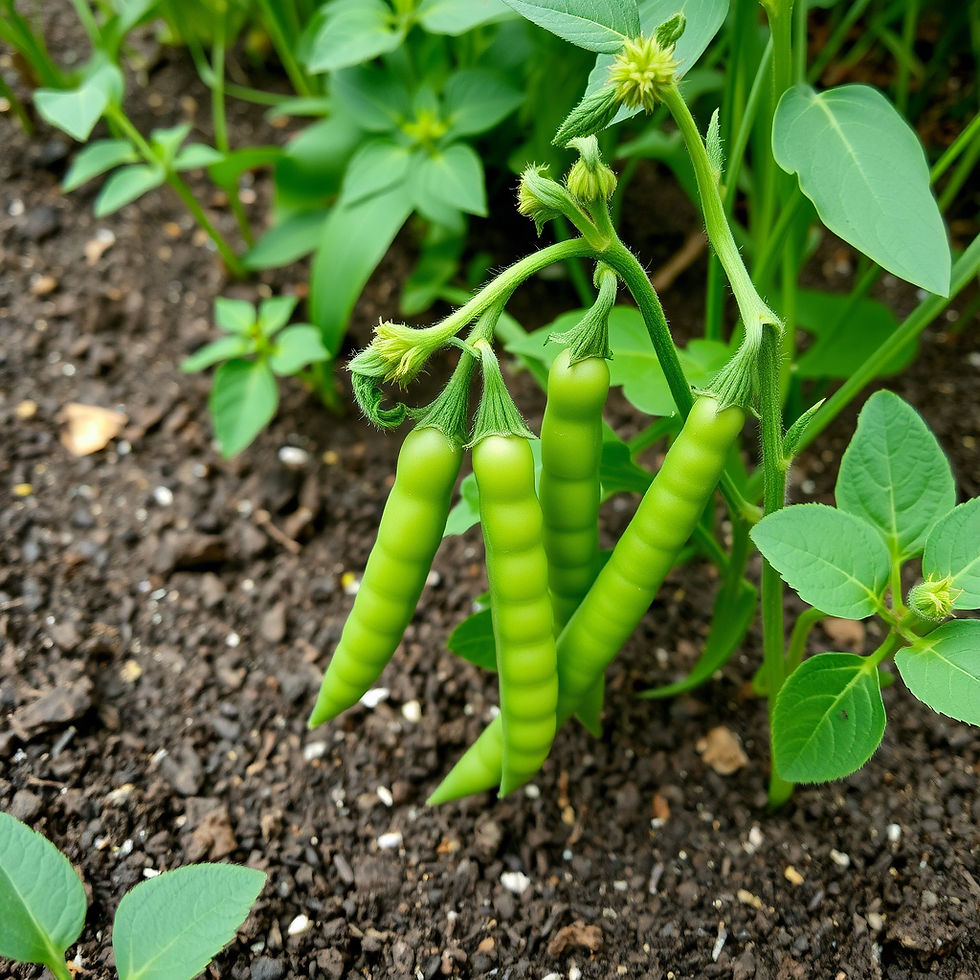
Vegetables played a major role in the medieval diet. Cabbage, onions, garlic, leeks, were just the beginning and common because they were easily stored for long periods of time with refrigeration.
The nobility had access to a wider range of ingredients, including exotic spices, while bread remained an important staple

.
Grains: The Foundation of Medieval Meals
Grains were the cornerstone of medieval diets. They provided the necessary carbohydrates and were used in various forms, from bread to porridge. Here are some of the most common grains used:
Barley
Barley was a staple grain in medieval Europe, often used to make bread, porridge, and ale. Its versatility made it a favorite among both the wealthy and the poor. Barley bread was common, and it was often mixed with other grains to improve texture and flavor.
Rye
Rye was another popular grain, particularly in northern Europe. It produced a dense, dark bread that was more nutritious than wheat bread. Rye was often used in regions where wheat did not grow well, making it a vital ingredient for many households.
Oats
Oats were primarily consumed by the lower classes, often in the form of porridge. They were easy to grow and provided essential nutrients. Oat cakes were also a common food item, especially in Scotland and northern England.
Vegetables: Fresh and Preserved
Vegetables played a crucial role in medieval diets, providing essential vitamins and minerals. They were often used in stews, soups, and pies. Here are some key vegetables:
Cabbage
Cabbage was a staple vegetable in medieval cooking. It was easy to grow and could be stored for long periods, making it a reliable food source. Cabbage was often fermented to make sauerkraut, which preserved it for winter months.
Onions
Onions were widely used for their flavor and nutritional value. They were often added to stews and soups, and they could be dried for later use. Onions were also believed to have medicinal properties, making them a valuable ingredient.
Carrots
Carrots were commonly used in medieval cooking, although they were often purple or white rather than the orange variety we know today. They were used in soups, stews, and pies, adding sweetness and color to dishes.
Herbs and Spices: Flavor Enhancers
Herbs and spices were essential for flavoring medieval dishes. While some were locally sourced, others were imported through trade routes, making them valuable commodities. Here are some notable herbs and spices:
Sage
Sage was a popular herb in medieval cooking, known for its strong flavor. It was often used in meat dishes, particularly with pork and poultry. Sage was also believed to have medicinal properties, making it a staple in many households.
Thyme
Thyme was another commonly used herb, appreciated for its aromatic qualities. It was often added to stews and roasted meats, enhancing the overall flavor of the dish. Thyme was also used for its preservative qualities, helping to keep food fresh.
Pepper
Pepper was one of the most sought-after spices in medieval times, often used to flavor meats and sauces. It was imported from far-off lands, making it a luxury item for the wealthy. The high demand for pepper led to the establishment of trade routes and contributed to the spice trade's growth.
Proteins: Meat and Dairy
Meat and dairy were important sources of protein in medieval diets, though their availability varied by social class. Here are some common sources of protein:
Pork
Pork was the most commonly consumed meat in medieval Europe. It was often salted or smoked for preservation, making it a staple in many households. Dishes like pork pies and sausage were popular, showcasing the versatility of this meat.
Poultry
Poultry, including chickens, ducks, and geese, was also widely consumed. Birds were often roasted or used in pies. The nobility enjoyed more exotic birds, such as peacocks and swans, which were considered delicacies.
Cheese
Cheese was a vital part of the medieval diet, providing a source of protein and fat. It was made from cow, goat, or sheep milk and could be aged for preservation. Varieties ranged from soft cheeses to hard, aged cheeses, each with its unique flavor profile.
Fruits: Nature's Sweetness
Fruits were enjoyed fresh when in season and preserved through drying or making jams. Here are some popular fruits in medieval cooking:
Apples
Apples were one of the most common fruits in medieval Europe. They were used in pies, sauces, and even beverages like cider. Different varieties were cultivated for various uses, from sweet to tart.
Berries
Berries, such as strawberries, raspberries, and blackberries, were popular for their sweetness. They were often used in desserts, jams, and sauces. Foraging for wild berries was a common practice, especially among the lower classes.
Plums
Plums were another favored fruit, often dried for preservation. Dried plums, or prunes, were used in cooking and as a sweet treat. They added natural sweetness to dishes and were often included in stews and pies.
Sweeteners: Beyond Sugar
In medieval times, sugar was a luxury item, so other sweeteners were commonly used. Here are some alternatives:
Honey
Honey was the primary sweetener in medieval cooking. It was used in various dishes, from desserts to marinades. Honey also had preservative qualities, making it a valuable ingredient for preserving fruits and meats.
Molasses
Molasses, a byproduct of sugar production, was used as a sweetener and flavor enhancer. It was often added to baked goods and sauces, providing a rich, deep flavor.
Cooking Techniques: Bringing Ingredients to Life
Understanding how to prepare and cook with these ingredients is just as important as knowing what they are. Medieval cooking techniques often involved slow cooking, roasting, and baking. Here are some common methods:
Stewing
Stewing was a popular cooking method, allowing flavors to meld together over low heat. Ingredients were often combined in a pot and cooked for several hours, resulting in rich, hearty dishes.
Roasting
Roasting was a favored technique for meats, particularly in noble households. Whole animals were often roasted on a spit, allowing the fat to baste the meat and enhance its flavor.
Baking
Baking was essential for creating bread and pastries. Ovens were commonly used in medieval kitchens, and various types of bread were baked, from simple flatbreads to elaborate loaves.
Conclusion: Embrace the Medieval Flavor
Recreating authentic medieval dishes requires an understanding of the ingredients and techniques used during this fascinating period. By incorporating grains, vegetables, herbs, spices, proteins, and fruits into your cooking, you can bring the flavors of the Middle Ages to your table. Whether you are hosting a medieval-themed dinner or simply exploring new culinary horizons, these ingredients will help you create dishes that are both delicious and historically inspired.
As you embark on your culinary journey, consider experimenting with these ingredients in your own recipes. You may discover new flavors and techniques that will enhance your cooking and deepen your appreciation for the rich history of medieval cuisine.
© 2026 Crown & Cabbage Provisions. All Rights Reserved.

Comments